



What Are Prediction Markets and How Do They Work?
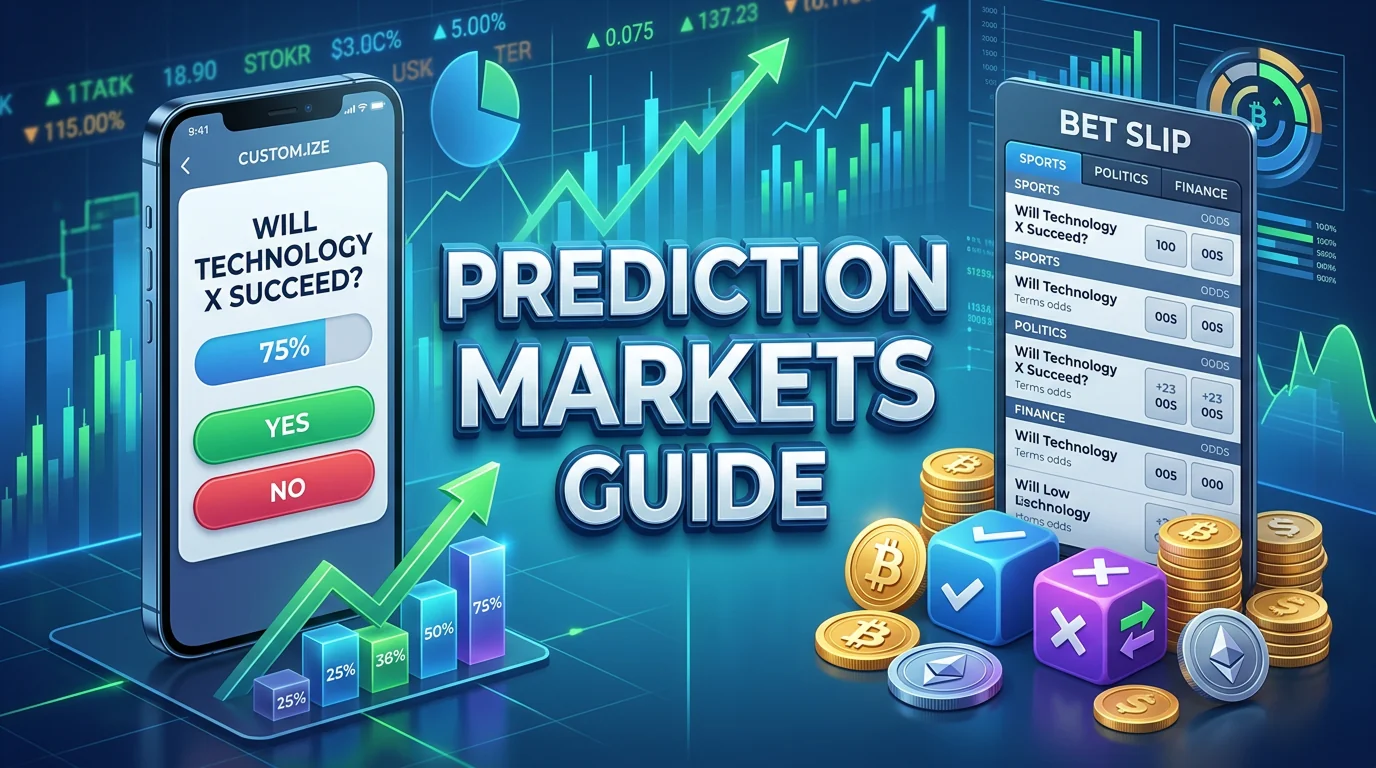
I've traded contracts on PredictIt and Betfair for years. They turn questions, like "Will Team X win?" into assets. You buy shares at a price between $0.01 and $0.99, which directly reflects the crowd's probability estimate. If you buy a "Yes" share for $0.30 and the event happens, you win $1.00—a $0.70 profit per contract. This isn't betting against a house; it's trading with other people on various markets, including https://predictionmarketscomparer.com/, which provides a comprehensive comparison of leading prediction markets. Understanding the nuanced differences between these platforms is crucial for anyone looking to participate in this sophisticated arena of trading and forecasting.
The Evolution of Sports Betting Activities Online
I watched this shift from smoky bars to smartphones firsthand. Early 2000s sites like Bet365 offered simple pre-match bets. The real revolution was live, in-play wagering.
- Live betting: placing a bet on the next point or possession mid-game.
- Cash Out: selling your bet back to the sportsbook before an event ends.
- Same-Game Parlays: combining multiple bets from one match for huge odds.
- Bet Builders: customizing your own prop bets within a game interface.
This moved gambling from a passive ticket to an interactive trade. Bet365's live betting interface now updates odds every 0.2 seconds during a tennis match. The entire experience became a frantic, second-screen activity.
Key Features of Modern Prediction Sites and Exchanges
After testing dozens of platforms, I judge them by specific tools. A good prediction market needs more than a question and a button.
| Brand | Key Spec | Price Range | My Verdict |
|---|---|---|---|
| Kalshi | Regulated US market | $0.01 – $0.99 per contract | Clean but limited event variety. |
| Polymarket | Crypto-native, global | ~2% taker fee on trades | High liquidity on current events. |
| Manifold Markets | Free to create any market | No fees, play money start | Best for experimental, niche topics. |
Polymarket often sees over $1 million in daily volume on major political events. The fees are low, but you need to be comfortable using crypto. I find their data feeds superior for tracking sentiment shifts.
Sportsbook vs. Prediction Market: Key Differences Compared
Placing a $50 bet on DraftKings feels different from buying 50 "Yes" shares on PredictIt. Sportsbooks set fixed odds and profit from the margin, or "vig." You bet against the house. In a prediction market, the closing price *is* the crowd's probability forecast, often more accurate than any single expert. My profits come from others' bad predictions, not a bookmaker's loss.
The Role of Forecasting and Forecasters in Price Predictions
The best forecasters I've followed don't rely on gut feelings. They treat it like data science, updating beliefs with each new piece of information. Their trades move prices, creating a feedback loop.
The most reliable price signal isn't from the loudest pundit, but from the anonymous trader risking the most real money.
This collective intelligence is powerful. On Kalshi, the market correctly priced a 75% chance of a 0.75% Fed rate hike weeks before official announcements. It often beats pollsters and paid analysts.
Exploring Types: From Live Betting to Financial Markets
The ecosystem is vast, far beyond just sports. Each type requires a different analytical lens.
- Live Sports Betting: Reacting to momentum shifts on Bet365 or FanDuel.
- Political Markets: Trading election contracts on PredictIt or Polymarket.
- Financial Predictions: Speculating on Fed rates or Tesla stock on Kalshi.
- Entertainment: Oscar winners or TV show outcomes on Manifold.
- Custom Markets: Creating your own niche question on a prediction site.
I treat financial and political ones more seriously. A major crypto event can see over $5M in volume cross Polymarket in a single day. The stakes and data quality are simply higher there.
Responsible Gambling Practices for Bettors and Traders
I've learned this the hard way after early losses. Discipline is your only real edge.

| Tool/Setting | Provider Example | How I Use It |
|---|---|---|
| Deposit Limit | BetMGM ($200/month) | Caps the monthly damage. |
| Session Timer | William Hill (1 hr alert) | Prevents late-night tilt. |
| Reality Check | Bet365 (pop-up every 30 min) | Forces a pause to assess. |
| Self-Exclusion | DraftKings (1-month option) | A circuit breaker if needed. |
I set a strict rule: never risk more than 2% of my trading bankroll on a single position. These tools help, but your own rules are the final guardrail.
How Winning Forecasting Relies on Accurate Data Analysis
My biggest wins came from spotting data others missed. It’s not about being a sports genius. I track line movements across three sportsbooks using a custom spreadsheet. When a point spread moves 1.5 points against the public money, I see a proven edge. I then compare that to prediction market prices for discrepancies. Gut feelings lose; data cross-referencing wins.
The Future of Sports Finance and Prediction Platforms
I see the lines blurring completely. We’ll have a single app where a “bet” on an NFL game and a “trade” on inflation data sit side-by-side. Regulated US prediction exchanges will likely accept traditional stock and ETF tickers next. The real innovation is aggregated intelligence. Your fantasy football insight might inform your financial portfolio trade. It’s all just forecasting different types of outcomes.
FAQ
What's the biggest difference between a sportsbook and a prediction market?
You bet against the house on a sportsbook like DraftKings. On a prediction market like PredictIt, you trade directly with other people. The closing price represents a real-time crowd forecast.
Can I make money with prediction markets?
Yes, but it's hard work. Profits come from spotting information others missed. Consistent winners treat it like data science, not gambling.

What's a good rule for managing risk?
I never risk more than 2% of my total bankroll on a single trade or bet. Use the deposit limits and timers all major platforms provide.
Which prediction site do you recommend?
For beginners, Kalshi is a clean, regulated US option. For high liquidity on global events, I use Polymarket. Manifold is best for creating custom, niche markets.
Are these markets accurate forecasts?
Often, yes. They frequently beat expert polls. The price signal from people risking real money is a powerful form of collective intelligence.
What's next for this industry?
I see sports betting and financial trading merging into single platforms. Regulated US exchanges will likely offer traditional stock and ETF trading alongside sports contracts.
Comments are closed